

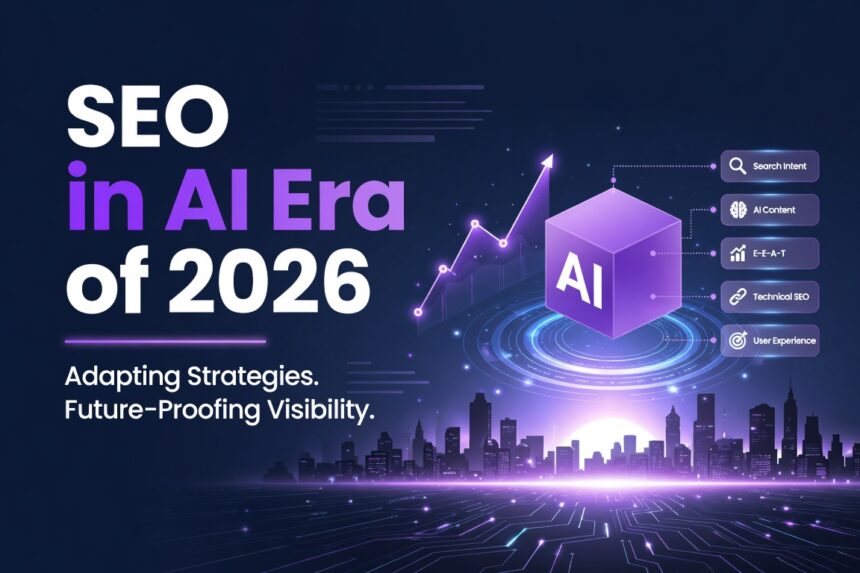
In 2026, the landscape of Search Engine Optimization (SEO) has evolved dramatically, driven by advancements in Artificial Intelligence (AI). As AI technologies permeate more aspects of digital interactions, SEO strategies must adapt to meet the new demands and opportunities these technologies present. This article explores how AI is reshaping SEO practices and what professionals can do to stay ahead.
The AI-Driven Transformation of SEO
AI’s integration into SEO is not unprecedented, but its deepening presence in 2026 has led to significant shifts. Search engines, leveraging AI, can now understand context, semantics, and user intent with unprecedented accuracy. This evolution mandates a rethinking of traditional SEO strategies.
Enhanced Understanding of User Intent
AI technologies like Natural Language Processing (NLP) and Machine Learning (ML) have empowered search engines to interpret user queries more accurately. This means:
- Contextual Search Results: Search engines can now present results that align more closely with the nuanced intent behind user queries, rather than relying solely on keyword matching.
- Voice Search Optimization: The rise of voice-activated devices means SEO must include strategies for optimizing content for conversational queries.
Semantic Search and Content Relevance
Semantic search technologies improve how search engines understand and categorize content:
- Entity Recognition: AI can identify entities (people, places, things) within content, improving the relevance of search results.
- Content Clusters: Websites are increasingly adopting a topic cluster model, where a central “pillar” page links to several related subtopic pages, enhancing content relevance and authority.
Actionable Strategies for SEO in 2026
Adapting to these changes requires strategic shifts. Here are key strategies that SEO professionals should incorporate:
Prioritizing High-Quality Content
Content remains king, but the parameters defining quality have evolved:
- Authoritative and Comprehensive: Content must be deeply informative and authoritative, answering user questions comprehensively.
- Engagement Metrics: User engagement metrics such as time on page and bounce rates are more critical, as search engines use these to gauge content relevance.
Leveraging AI Tools for SEO
With AI tools becoming more sophisticated, they are indispensable in modern SEO strategies:
- AI-Powered SEO Tools: Tools like Clearscope and MarketMuse help optimize content by suggesting relevant topics and keywords based on AI analysis.
- Predictive Analytics: Use AI to predict search trends and adjust strategies proactively.
Technical SEO and AI Integration
The technical aspects of SEO have also seen changes:
- Structured Data and Schema Markup: Implementing structured data helps AI better understand the content, ensuring it is appropriately indexed and ranked.
- Page Speed and User Experience: AI emphasizes the importance of fast-loading pages and seamless user experiences, influencing organic rankings.
Real-World Use Cases and Examples
Several organizations are already leveraging AI-driven SEO strategies effectively:
- Amazon and Personalized Search: Utilizing AI to offer personalized search results based on user behavior, improving user satisfaction and retention.
- HubSpot’s Content Strategy: Adopting a topic cluster model, HubSpot enhances its SEO by ensuring related content is interlinked, boosting authority and search visibility.
The Role of Data and Analytics
In 2026, data-driven decisions are paramount. AI enables more sophisticated data collection and analysis:
- User Behavior Analysis: AI tools analyze user interactions with content, providing insights into preferences and behavior patterns.
- Performance Metrics: Track and optimize key performance indicators (KPIs) such as conversion rates and organic search traffic.
Conclusion
SEO in the AI era of 2026 is characterized by its adaptability to technological advancements. Professionals must embrace AI tools and methodologies to stay competitive. By focusing on high-quality content, leveraging AI for predictive insights, and optimizing for user intent, organizations can enhance their search visibility and effectiveness.
As we navigate this AI-driven future, staying informed and agile will be crucial. Engage with industry trends, adopt new technologies, and refine your strategies to ensure your SEO practices remain cutting-edge. For further insights and to join discussions on the future of SEO, follow our blog and engage with our community.